
As preppers, most of us think about tangible, physical crises: natural disasters, man-made threats, societal breakdowns, and even the occasional zombie outbreak or machine uprising. But jokes aside, many of us are blind to or deprioritize intangible threats that can be just as destructive to our lives and families.
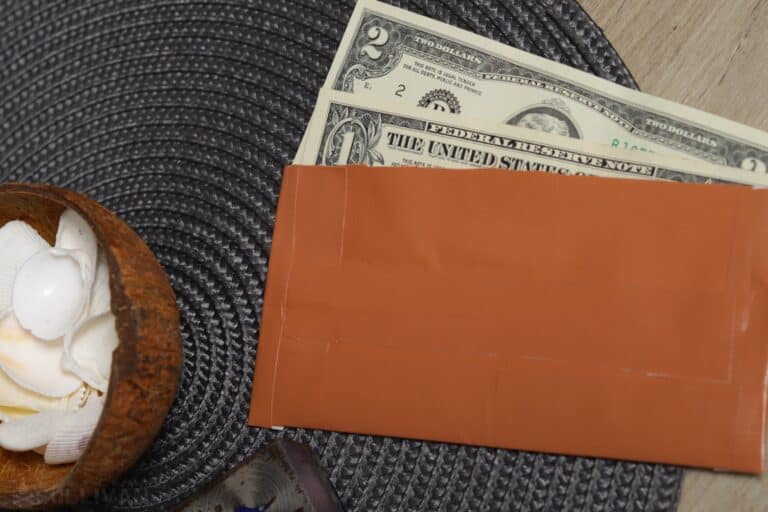
One of the most likely, and likely one of the nearest, is a US currency collapse. The United States is so far in debt that they basically have to make up numbers to codify it.
As it turns out, you can’t print money at a cyclical rate in response while sticking your fingers in your ears and pretending that the roads are still paved with gumdrops and everybody gets to ride to the amusement park on a giant marshmallow. The party is definitely ending!
The financial situation in the United States is grim, and we have a multitude of examples from the 20th century at home and abroad that show us what a currency collapse will look like.
After my list of things to own when the collapse is here, I’m bringing you a second list of things that are likely to be liabilities when it happens…

Cash
This is the most obvious asset that will depreciate during a currency collapse because it’s the very thing that’s depreciating!
Sadly, keeping a stash of cash on hand or in a savings account for times of trouble is part and parcel of being a prepper… The problem is that cash being a useful asset, and maintaining any value at all, is entirely dependent on the stability of the currency and the public’s trust in it.
When the US dollar collapses, and make no mistake, it will, the resulting hyperinflation will make cash basically useless for purchasing goods and services. This gives rise to the scenario of people needing a wheelbarrow full of cash to purchase even a gallon of milk.
Considering that in the US there’s not likely to be a practical alternative currency for greenbacks, unlike some other countries, we’ll probably be reduced to bartering in the interim.
That means you’ll need useful, practical goods and commodities that people actually want if you want to get the things that you need.
Unproductive Real Estate
Real estate is one of those assets that, in most situations, you can’t hardly go wrong with. It invariably appreciates in value, and even during specific real estate market crashes, you can almost always depend on values climbing back up in time if you are simply patient.
However, if you have unproductive real estate—meaning real estate that does not generate a cash flow from a residential or business tenant—that land is probably going to become a liability.
You still have to pay to maintain it, you still have to pay taxes, and you still have to take care of any other costs associated with it.
Considering that the real estate market is also going to crater right along with the dollar collapse, you aren’t going to be able to get your money’s worth out of the property.
If you “fire sale” it to speculators who are always prowling and growling during times like this, you could lose your shirt on it.
Worst of all are luxury properties that have extremely high upkeep costs and a limited pool of buyers even in the best of times. Assess your portfolio carefully, now, while you can.
Businesses Relying on Imported Goods
Whatever sort of business you own, if that business relies heavily on imported goods, your future outcomes will be in severe jeopardy when the US dollar collapses.
Yes, I know that all businesses these days are affected to a greater or lesser degree by global commerce.
But if the bread and butter of your operations are tied up in specific imported goods, raw materials, or anything else, the collapse of the dollar means that the cost of those goods is going to skyrocket, and the collapse itself will send shockwaves around the world; those goods might not be available at all!
Obviously, this is a domino effect that will very likely result in bankruptcy or the total shutdown of your business. If the thought of that is making you sweat, you’ve got to implement contingency planning now to ensure the continuity of operations.
USD-Denominated Bonds
Any bonds denominated in US dollars, like cash itself, will radically lose value in direct proportion to the collapse of the dollar itself.
The repayment of any such bonds would, of course, be made in the devalued currency, meaning you won’t be getting any return at all on your money.
Even if you cash out, recall that hyperinflation will be erasing the purchasing power of any interest payments if you hold, and in purely practical terms, your bonds will be as worthless as the dollar for the duration of the collapse.
Mutual Funds
Mutual funds are another extremely shaky proposition during a currency collapse, and any that are heavily invested in US equities or bonds are going to be slashed to ribbons. That’s because the value of all the underlying assets is, you guessed it, cratering.
Historically, investors in mutual funds have often looked longingly out the window during currency collapses when they come to the cold realization that they are overleveraged.
That’s because once the fear takes hold during the crisis, panic selling will start rippling off like firecrackers on the Chinese New Year.
Extracting yourself from investments in such funds without incurring devastating losses or other financial damage will be borderline impossible.
Consumer-Spending Dependent Stocks
The stock market is always a risky gamble, but if one thing’s for certain, most stocks are going to plummet during a dollar collapse. Among all of them, the stocks of companies that are highly reliant on consumer spending will be hit the hardest.
If that company provides non-essential goods or services, you can kiss them goodbye. The US dollar completely imploding is an extinction-level event for many business sectors, and most will not survive.
Those that do will emerge a shadow of their former selves, with stock prices to match.
CDs
No, not compact discs: certificates of deposit. These fixed-rate investment vehicles will lose their value precipitously during a dollar collapse in direct proportion to rising inflation.
Worst of all, the interest rates on the vast majority of CDs will lag behind inflation, meaning that the actual return on any given investment is going to be in the red.
To add insult to injury, any money that you have tied up in CDs will very likely be inaccessible in a hurry without a financial penalty, meaning you won’t be able to pull the lever and liquidate quickly without absorbing an even greater loss.
Essentially, in any sort of financially difficult times where you have to react quickly to a changing landscape, CDs are among the worst investments.
Money Market Accounts
Money market accounts are simply terrible to have during an economic collapse because they are a low-yield investment that, very much like CDs we just discussed, offers returns that will in no way keep pace with the attendant hyperinflation.
Any funds that you have in money markets are going to lose purchasing power in the blink of an eye, and that will be compounded by their underlying securities likely losing value. In a worst-case scenario, you’ll lose access to the funds you have in these entirely.
US-based Pension Funds
Most pension funds are themselves heavily invested in various other highly fungible assets we’ve already looked at, including bonds, stocks, and so forth.
When the dollar drops, the value of all of these assets will drop and jeopardize, or even cancel, the pension fund’s ability to meet its obligations to its pensioners.
This is especially terrible because so many retirees depend on these funds for month-to-month living and will likely be plunged into financial insecurity.
Even if you don’t have all of your financial eggs in this particular basket, you must not count on any pension fund to remain solvent during the crisis.
Contracts with Fixed Payouts
This is more of an intangible, but still something to be aware of. Any contract you’ve entered into will remain in force and legally binding if you don’t have contingencies or a rider that will account for a dollar collapse.
That means ones that have fixed payouts, like insurance policies, annuities, and even certain work-for-hire arrangements, may entitle you to near-worthless payouts or obligate you to keep working for basically no money.
You might be able to extricate yourself from such contracts now, or you might not, but in any case, it is way past time to start reviewing them before it’s too late.
Digital Assets Tied to USD
This should go without saying, but any digital assets you have that are closely influenced by or directly pegged to the US dollar will suffer in kind when the dollar collapses. USD Coin and other stablecoins are a great example of this: when the dollar becomes worthless, so do they.
Considering that the appeal of these assets, such as they are, is really only that they are stable, they will be just as useless as the dollar once the bottom falls out.
Other kinds of digital assets like Bitcoin may or may not be directly affected by the collapse of the US dollar, but financial uncertainty likely won’t be good for it in any case.
Luxury Goods
Luxury goods of any kind—be it high-end clothing, supercars, fancy furniture, or anything else—aren’t going to comfort you when you can’t buy or even find basic necessities.
However much you love these things, the time to liquidate them is before the entirety of the population knows that the devil has come to collect his due on the US dollar.
Consider that everyone, except the extremely wealthy, will be struggling during a currency collapse and, just like we are, focused on actual survival necessities.
Most folks will not be able to afford, much less care about, luxury goods during a time like this, and if you get in trouble and have to try and sell them, you will likely be forced to take pennies on the dollar.
Collectibles
Collectibles—be it baseball cards, art, antiques, toys, rare goods, curios, or anything else—are basically the same as luxury goods for the purposes of weathering a dollar collapse.
These have long been a favorite “investment” vehicle of people who shy away from more traditional investments, but ultimately getting a return on such goods has about the same chances as spinning a roulette wheel in Vegas.
Whatever kind of collectibles you collect, the vast majority will be basically worthless and also difficult to sell for the duration.


Tom Marlowe practically grew up with a gun in his hand, and has held all kinds of jobs in the gun industry: range safety, sales, instruction and consulting, Tom has the experience to help civilian shooters figure out what will work best for them.