
One of the disasters people are most afraid of has got to be an electromagnetic pulse. Whether natural (from solar flares) or man-made, an EMP pulse will fry all electronics and the power grid, and the only way to save some of them is to place them in Faraday cages (that may or may not work).
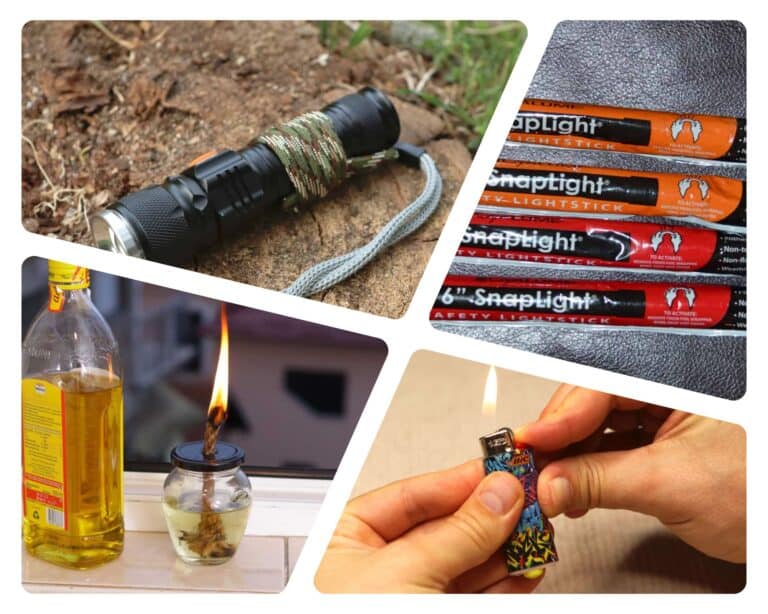
Even if an EMP doesn’t happen, blackouts do occur, and the aging US power grid is failing, they happen more and more often. The average number of minutes Americans stay without electricity is increasing year after year so need to find solutions to protect ourselves. So let’s see what some of the ways to have light when everyone else is in the dark age.
The Humble Ligther
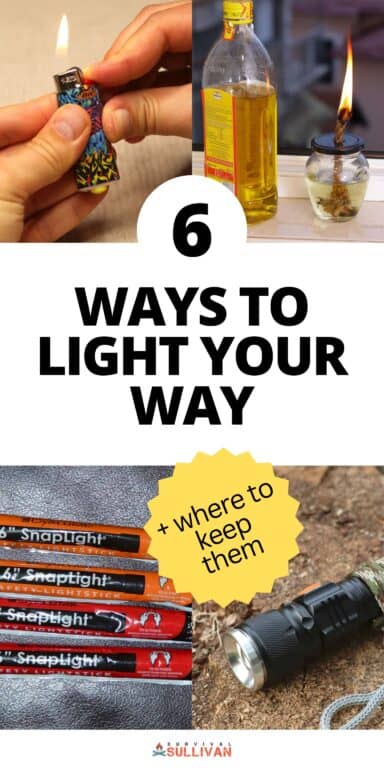
This goes without saying. You should have an abundance of these. Whether you opt for Bics, Zippos, or something else, be sure to check them regularly to see if they are working.
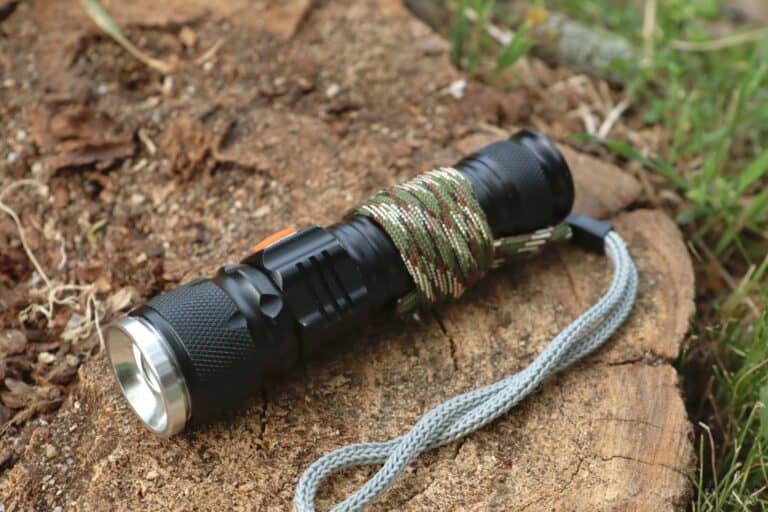
Flashlights
One of the first things preppers do when they start stockpiling is they get flashlights. And why not? They’re fun and the diversity make sit a challenge to get quality ones for a fair price. You will need:
- a mini-flashlight on your keychain (I know what you mean, you’ve got a flashlight on your phone, but it’s always good to have a back-up)
- flashlights for your survival bags
- flashlights inside your home
- flashlights inside your car and/or other vehicles you use (including a bike)
- flashlights at your bug out location
- flashlights inside your safe room
That’s a lot of places to keep them! This doesn’t mean you have to go to Amazon right now and buy 20 of them. Take it slow, read the reviews, know your needs, get one or two, then get more once you’ve used the ones you purchased initially and made your own impressions of them.
The first thing you should buy is a general-purpose flashlight that’s really bright and has good battery life. After that, start looking into flashlights that are hand-crank. These will work once they run out of battery. Keep in mind that if the blackout will last for more than a week, you won’t be able to recharge them, unless you have a functional solar charger.
Recommendations:
- the SureFire E2D LED Defender
- the Coast HP21
- and the MagLite RE1019
By the way, some flashlights such as the Maglites also make great self-defense weapons, because they’re made of aluminum. Although rubber flashlights are better and cheaper, one extra self-defense weapon won’t hurt.
Lanterns
Lanterns are useful to light up entire areas, such as your tent, your camp site or an entire room. Just like flashlights, they have a variety of ways they get power: using batteries, solar panels, propane and some even work as candles.
Recommendations:
- the Black Diamond Apollo
- the Black Diamond Voyager
- the GridLite portable LED Camping Lantern
- and the Streamlight 44931 The Siege Lantern
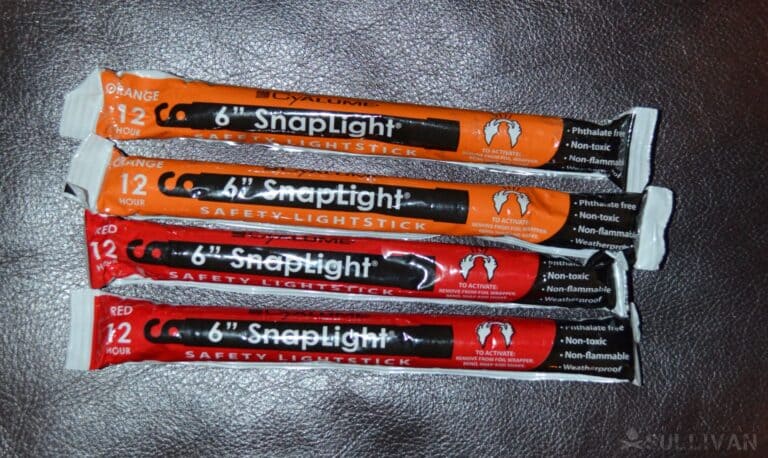
Chemlights
Chemlights/glowsticks are great. They’re EMP proof, waterproof, windproof, they don’t need oxygen and won’t cause a fire. They’re cheap, too, but the downside is they only work for 12 hours or so if you get the mil-spec or industrial-grade ones.
Though some people say mil-spec or industrial-grade isn’t a necessity, it’s better to stay away from cheap ones. Even better, you can get several brands and test them out when you go hiking or camping, or when you do emergency drills with your family.
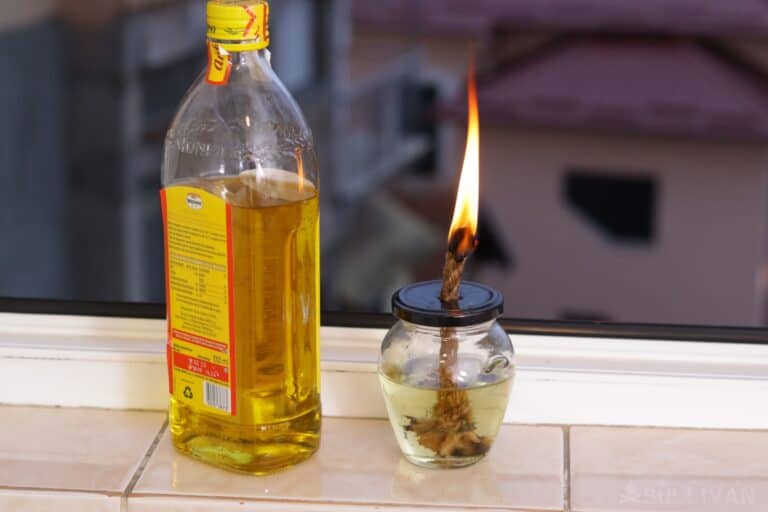
(Emergency) Candles
These are great because you don’t need a shred of electricity to make them work. Whether it’s regular candles, DIY candles (like the one we made in the photo above) or storebought, you can never have too many of these.
The Internet is abundant with creative ways of making light. Some of the most popular hacks involve using various substances to make DIY lanterns that will work even in case of an EMP. Some of the things that will burn slowly include:
- butter
- mayonnaise
- oranges
- crayons
- brazil nuts
- and any type of oil, including the one from a tuna can
Oil Lamps
Kudos to you if you actually have one of these – not many people do. These will burn for hours on end and, as a bonus, they can even work with cooking oil as fuel. If you happen to use a lot of sunflower oil, for instance, don’t throw it away.
Got a Bike? You’ve got Light
Self-explanatory.
Where Should You Keep Everything?
The means to light your way post-collapse can and should be kept in several strategic locations:
- inside every singe one of your survival bags
- in your car
- in your everyday carry
- around the farm or homestead
- inside Faraday cages
- inside a dedicated blackout box in your bedroom
This last one is something I want to spend some time talking about it, because it’s the first step you should take towards lighting your way post-collapse.
All you need is a good container, such as an airtight plastic box or a waterproof pouch. Inside, you need to place some of the things we mentioned in this article, plus things to power and recharge them. Keep the box in a strategic location inside the house for easy reach.
Anything Else?
When the power goes out, you’ll be missing other things that you need to prep for. Lack of hot water could lead to hygiene issues. Lack of transportation means you won’t be able to buy food and water. Lack of communication means you won’t be able to hear the latest developments.
All of these need to be taken into consideration because prepping for a blackout or an EMP is much more than buying a few flashlights.


My dad was military. My grandfather was a cop. They served their country well. But I don’t like taking orders. I’m taking matters into my own hands so I’m not just preparing, I’m going to a friggin’ war to provide you the best of the best survival and preparedness content out there.