
Surviving a genuine SHTF situation is plenty difficult and harrowing enough when you have plenty of supplies and a home of your own, be it a house or an apartment. But it is so much more difficult when you are on the streets.
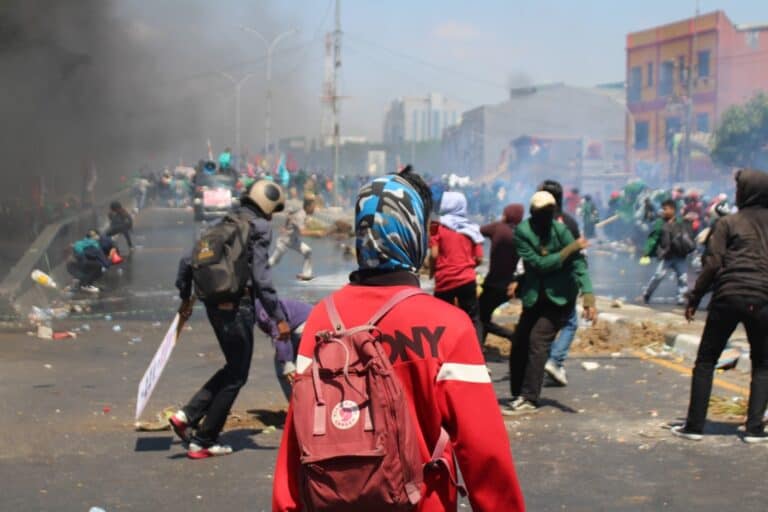
Maybe you lost your home for whatever reason before disaster struck. Maybe you were driven out of doors as a direct consequence of the event itself. Maybe you were traveling and are now just desperate to get back home.
Whatever the case, whatever the reason, you’ve got to slog through it and survive, and the streets can be one of the meanest environments of all.
To help you in that regard, I’m bringing you these quick but cutting-edge tips to help you survive on the streets when the excrement hits the proverbial fan.
Know the City Inside and Out
Arguably the most important tip of all. In all uncertain situations, knowing the terrain is paramount. That certainly applies to urban and suburban terrain. There is no excuse for not knowing your own hometown like the back of your hand.
If you commute or travel to another city regularly, you must still endeavor to learn the routes and “tempo” of the town; where are the congested areas, where are the dangerous areas, where can you get what you need?
The more you know about the environment, the better your chances of survival, and make no mistake.
Observe and Learn From the Homeless
You might find it a humbling, even mortifying, situation to be suddenly homeless during an SHTF event, regardless of what occurred.
Pause for a minute and imagine how the homeless must feel; everyday, all day, seemingly forever stuck in those very circumstances. I’m not getting off on a tangent, but bringing this up to teach you something.
The homeless actually live on the streets, out of doors. You should learn from their example. How do they do it, what do they do, and what do they avoid doing. By observation and a fair bit of empathy, you can learn the lessons they have paid for so dearly and use them to improve your own chances of survival.
Cardio is Critical
No matter what sort of survival situation you are facing, no matter the environment, being fit is important because it drastically improves the chances of a good outcome. Arguably, it is even more important that you be fit if you’re surviving on the streets.
You’ll have to carry, drag, push, or pull everything that you need to survive across hard and unforgiving terrain, and you’ll be surrounded by the most dangerous predators of all: other people.
If you can’t march all day long carrying a load or sprint for your life to get away from people that would rob or kill you, you probably aren’t going to make it.
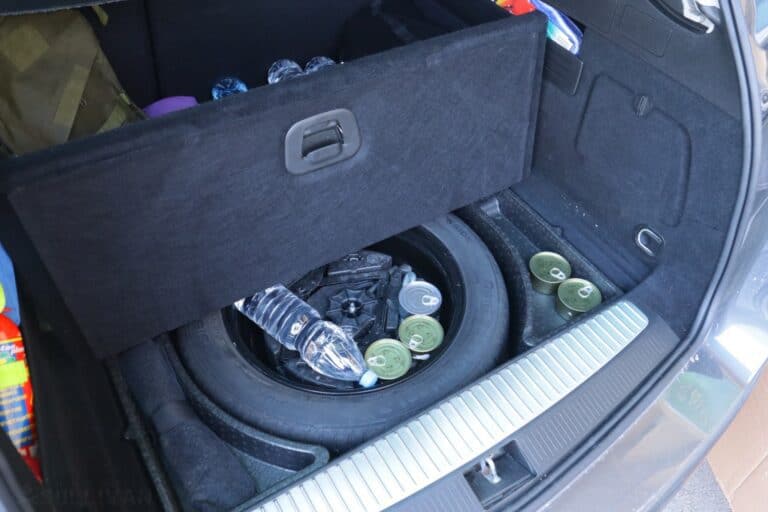
Keep a Get-Home Bag in Your Vehicle
A get-home bag is basically a smaller, leaner version of a bug-out bag. It is a pack holding just the necessities you need to get home. If you have a long commute to work, travel regularly, or do anything else that takes you out of town and away from home, you’ve got to have one of these.
The most likely circumstance that would see you homeless during an SHTF event, even if temporary, is that you get stranded when some colossal disaster occurs. Keeping even a basic stash of supplies accessible will greatly improve your chances of survival on the streets.
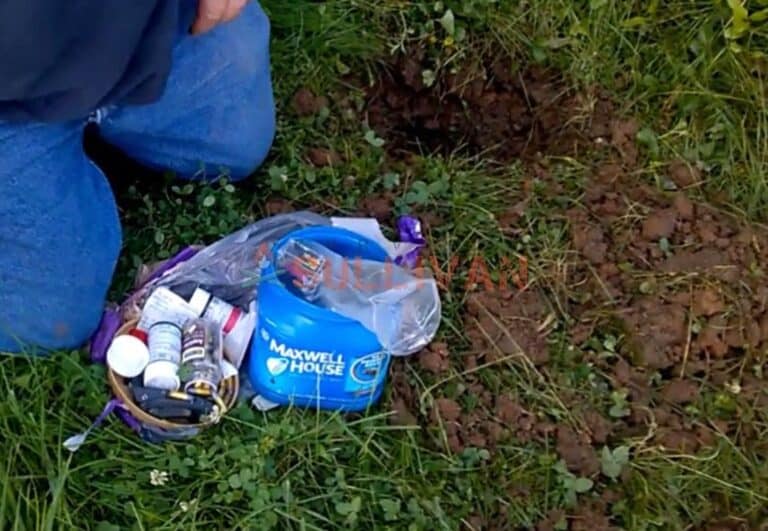
Cache Supplies, But Be Clever
Smart preppers know that keeping a backup stash of supplies – food, water, tools, etc. – can be the difference between life and death. This is doubly true on the streets. The hard part in this situation is knowing how and where to stash supplies to keep them both accessible and safe.
Other survivors and street-dwellers will always be on the lookout for an easy score, and you can hardly blame them under the circumstances. Accordingly, you must store and retrieve your items surreptitiously if you want them to stay, well, yours. Look for truly out of the way spots like loose chunks of pavement in parking lots or building slabs, junked appliances or cars, and similar spots.
Think twice before picking abandoned buildings or any spot in or near areas where people congregate.
Shelter Skills Will Keep You Alive
Too many preppers fall into the trap of thinking that shelter will be easy to come by when living on the streets. It won’t be. You are as exposed as in any other environment when out of doors.
Knowing how to improvise shelter using scavenged materials – cardboard, newspaper, trash bags, etc. – and good shelter principles like blocking wind, maximizing reflected heat from a fire helps immensely.
Once again, look to the homeless for instruction on techniques that actually work. They are never pretty, but they are effective.
Avoid “Hot” Areas
And I don’t mean temperature! Hot areas are those that are typically violent or prone to violence, or areas that will likely become so when the rule of law is made shaky or even swept away entirely in the aftermath of the event.
Bad neighborhoods will likely get even worse, and crime will radiate out from them. Commercial areas will be prime targets for looting and raiding. Likewise, hospitals, aid stations, distribution points for supplies, and more will often have masses of people swarming around them, and that can set the stage for carnage.
Never Willingly Enter Large Masses of People
Immediately after or sometime after the event itself has occurred, you might have to deal with large masses of people.
They could be desperate folks seeking a handout or a hand up. It might be rioters or other partisans taking advantage of the situation. It might just be panicked herds of humanity trying to evacuate.
No matter what, avoid these large crowds! Stampedes are way too likely, and that’s the least of your problems. An outbreak of mob violence is the most dangerous thing you can possibly face. In all cases, opportunistic scumbags will prey on these crowds and potentially on you.
Keep Clean
This may be a tough one under the circumstances, but it’s still really important, especially for long-term survival situations when you are stuck on the street. Keep as clean as you can and continue to take care of yourself.
For starters, dirty, filthy bodies are far more prone to infection, and you are a lot more likely to get sick. Also, when you are gross and disgusting, people treat you differently. That’s just the way it is. Not for nothing, keeping clean will help keep your mind in the game.
Learn How to Manage Unknown Contacts
You’re going to bump into a lot of strangers when living on the street. Many of them will be fellow survivors like you who have been reduced to living outside. Some will be the homeless who have been so for quite a while.
You’ll also have an assortment of predators who want to take what you have, and private or public security forces that may be out and about.
Whoever you run into, having a high social IQ will be a benefit. Knowing how to interact with people to get what you want and, more importantly, avoid real trouble is a necessity.
A Good Dog is a Great Help
Man’s best friend can be an even bigger benefit under the circumstances we’re dealing with now. A trusty dog can help keep you warm, keep questionable people at a distance, and help you stay safe when you’re getting some shut-eye.
The keen senses and “bad intent detection” abilities of dogs will be quite literally priceless if you’re forced to survive on the streets.
Not for nothing, larger dogs can also help carry a little bit of cargo with a specially designed doggy pack. Something you should certainly take advantage of!
Don’t Go It Alone if You Can Avoid It
Like every single other survival scenario we can talk about, and no matter the variables, you are always, always better off trying to survive with someone else, or with multiple other people. Having a buddy or significant other with you will make everything that you do safer and easier.
From carrying needed gear to tipping the odds in your favor, or less in the favor of bad guys, if you are accosted.
Obviously, you might not have someone you trust at the outset, but if you run into someone you know even tangentially and can make a go of it with them, you’ll be a lot better off.
Stay Light, Fast, and Mobile
The tendency to accumulate anything that could potentially be useful while living on the street is very strong. That’s why you see so many homeless people pushing shopping carts or living in shanties that are piled high with things that could come in handy.
It’s understandable, and in normal times necessary, but you’ll be wise to stay light, quick, and nimble if possible. Being able to break camp in a minute or less and take off with your pack will allow you to react to rapidly evolving circumstances.
Don’t Attract Attention
I cannot impress this upon you enough. Do everything possible to avoid drawing attention to yourself unless you actively need immediate rescue. This assumes that you’re going to be surviving on the streets for some time.
Camping on heavily trafficked thoroughfares, with large groups of people, or near sensitive infrastructure or the aforementioned hot zones is only going to cause problems for you.
Lay low, take care of business, stay alive. Those are your objectives until you can either make it home, evacuate, or gain access to more permanent lodging.
Stay Vigilant When Bartering
It’s an accepted fact that intermediate and long-term post-SHTF situations will also mean a societal return to bartering. That’s a long conversation for another article, but suffice it to say you’ll have opportunities to trade for what you need or want.
You’ve got to be careful, though: especially if you have valuable gear, or people suspect you do, you might get rolled for it. You might get beaten up or even killed just for the simple, murderous joy of it…
Consider Any Fight to Be a Failure
I know more than a few preppers who have the loaded-for-bear mindset when it comes to survival. Anybody messes with them, anybody crosses them, it’s going to come to blows or gunfire. Tough talk, but a very bad idea tactically.
Living on the streets, your attitude must be that any fight, even when you tried to avoid it, is a failure. Early detection, avoidance, de-escalation, and escape should be your priorities.
That Said, Know How to Fight
On the other hand, let’s be real: sometimes you simply won’t be able to dodge a fight for whatever reason. If that happens, only fighting skills will pay the bills.
Whether it is with hands and feet or various weapons purpose-designed or improvised, you must know how to protect yourself.
Improvisation Skills are Golden
Necessity is the mother of invention, and necessity will be an ever-present monkey on your back when living out on the street. Preppers who know how to make things happen and get things done with minimal or even no proper tools and materials will survive, even thrive.
If you can’t go camping without a wagon load of gear, you’re going to have a bad time.
When In Doubt, Get Out
It beggars belief that this still has to be explained to some people, but I hear so many stories of bad outcomes that could have been avoided, even to this very day, that I must bring it up.
Your instincts are a finely tuned survival mechanism. Think of it like intricate instrumentation on an airplane or any other sophisticated device that you can’t explain or understand how it works, but you know that it does.
When living on the street, if, whatever the situation, your instincts start telling you to get out, get away, or just move, do it. Ignore your instincts and you’ll be sorry.
Despite Everything, Remain Positive
I know, after reading all of this it might seem laughable. But it’s better to laugh than cry, and definitely better to laugh rather than despair. Where your mind goes, your body, and fate, will invariably follow. Keep your chin up and know that this, too, shall pass.

Tom Marlowe practically grew up with a gun in his hand, and has held all kinds of jobs in the gun industry: range safety, sales, instruction and consulting, Tom has the experience to help civilian shooters figure out what will work best for them.