
Relying on wood for heat is kind of a funny thing. You might think you have a giant stack of firewood that can last you well through the winter, only to find out, horrified, that you were down to your last few pieces when you aren’t even halfway through the cold season.
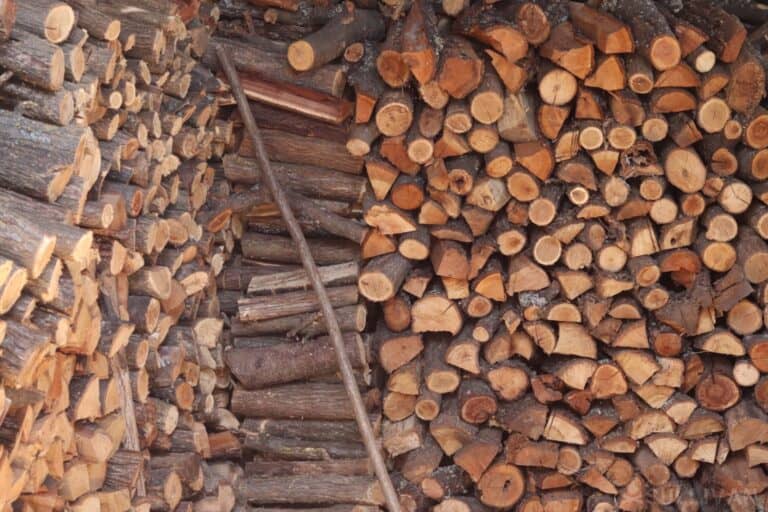
If you rely on wood for heat during the cold season, this could be disastrous. So, how much wood do you need to really heat a house?
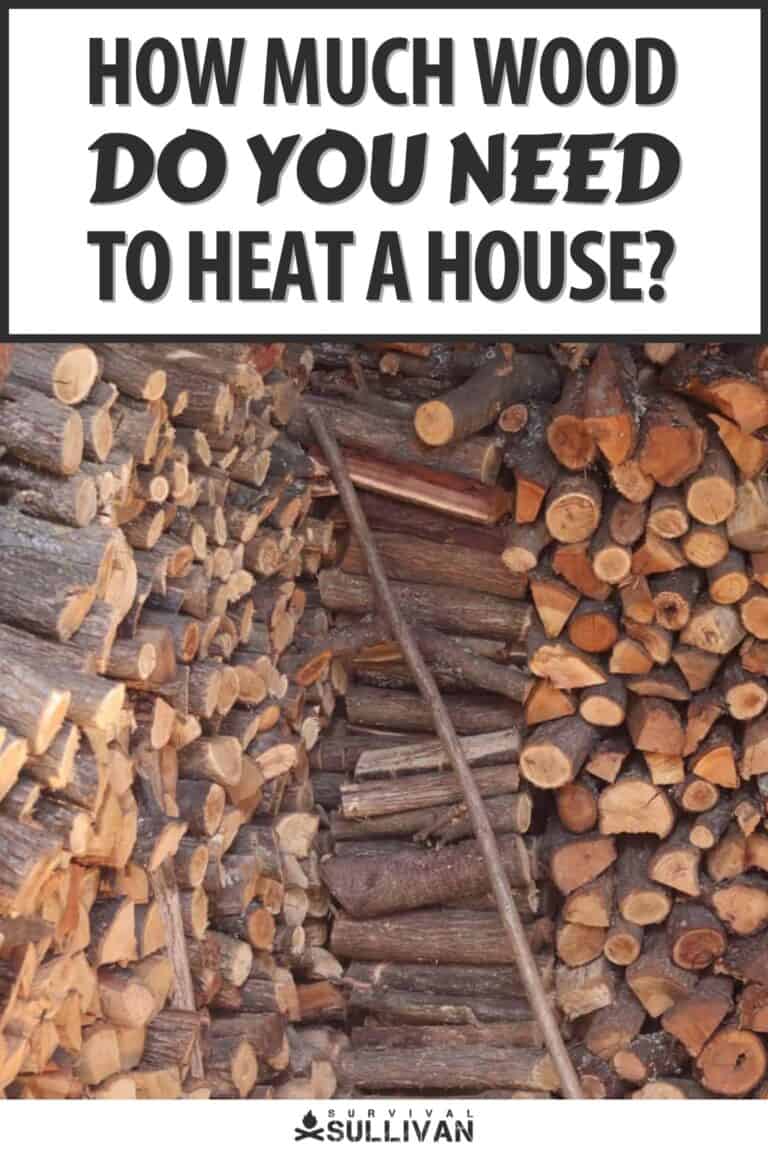
A typical 2,000 square ft house will need between 500 to 750 cubic feet of firewood, or four to six cords during the cold season. Climate, insulation factors, and lifestyle will significantly impact this estimate.
Learning through experience how much wood is required to get you through the cold season is one thing, but coming up with a workable estimate lacking that experience can be pretty challenging.
Don’t worry, I’ll share with you the most important variables to help you make a reliable determination.
Figuring Out What Affects Your Wood “Budget”
There are a variety of factors that will affect how much wood you will need to heat your home. The most important include:
The Size of Your Home – This one is pretty straightforward. The bigger your home, the more firewood you’re going to need to heat it if you want to heat the whole space.
How Well Insulated It Is – A well-insulated home won’t need as much wood to heat as a poorly insulated one.
Your Heating System – A wood stove will require less wood than a fireplace, for example, and both are affected by how efficient and well-maintained they are.
How Cold the Climate Is – If you live in an area with a mild climate, you won’t need as much wood to heat your home as someone who lives in a colder climate.
Your Lifestyle – If you’re home all day, you’re going to need more heat than someone who is out of the house for most of the day, and people who stay near the fire will need less wood for heat in general.
Taking all these factors into account, it is easy to get an impression of how “individual” a house relying on wood heat can really be. We’ll break down each of these factors in detail below, so keep reading!
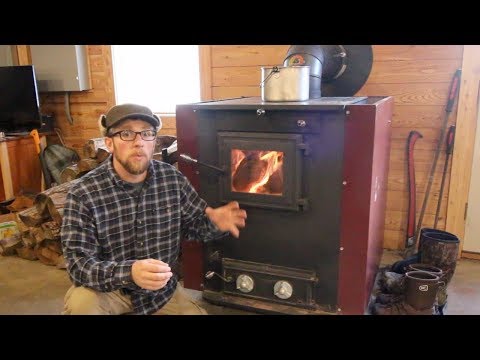
How Big is Your House?
This is the most basic factor to consider when estimating how much wood you’ll need for heat – the size of your house.
More specifically, you’ll need to think about the square footage of your home, as this will give you a good estimate of its size.
As a general rule of thumb, you’ll need 2 to 3 full cords of wood for every 1,000 square feet in your home.
So, if your home is 2,000 square feet you’ll need anywhere from 4 to 6 cords of wood as mentioned above. If it’s 3,000 square feet you may need between 6 and 9 chords, and so forth.
Of course, there are always exceptions to the rule. If your home is very poorly insulated or you don’t need to occupy the whole home during the cold season, this general estimate will change. We’ll talk more about insulation and those factors presently.
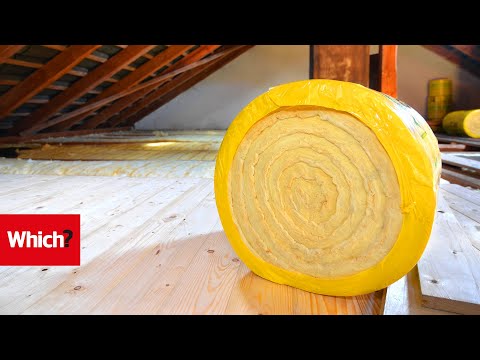
How Insulated is the House?
The next factor to consider is how well insulated your home is. Drafts are the enemy when it comes to keeping the heat in!
A well-insulated home will retain heat better than a poorly insulated one, so you won’t need to burn as much wood to keep it warm.
There are a few ways to improve the insulation in your home if it’s not up to par. One way is to replace any single-pane windows with double or triple-pane windows.
You can also add or replace weather stripping and caulk around doors and windows to help seal up any gaps that might be letting heat escape.
Keep in mind that the construction factor of the home makes a difference, too: a well-made home, using any kind of materials, is usually far less drafty than one that is poorly made or maintained.
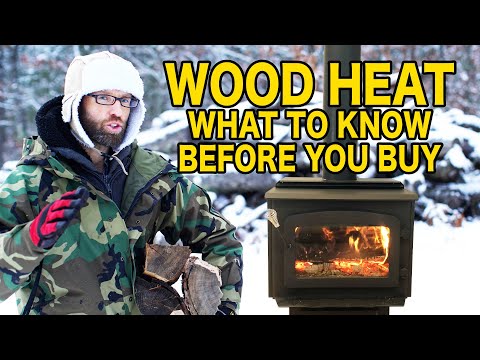
Are You Using a Wood Stove or Fireplace?
The type of heating system you’re using will also affect how much wood you need. As we mentioned before, a wood stove is going to be, generally, more efficient than a fireplace, so you’ll need less wood to heat your home.
Fireplaces are entirely capable but broadly inefficient; about 90% of the heat generated heat goes right up the chimney stack and out of the home!
Better efficiency in any case means better “bang for the buck” when it comes to fuel consumption; the same amount of fuel will yield more heat!
If you’re using a wood stove, there are a few things you can do to make it even more efficient and help you save on wood.
One is to install a blower to help circulate the heat around the room. You should also make sure that the stove is properly sealed up so that no heat is escaping through any cracks or gaps.
Additionally, if your wood stove has a glass door, keep it closed as much as possible to help keep heat in the system.
For fireplaces, there are some special considerations. Proper maintenance of the chimney is a must, both for safety and efficiency.
Backdrafts can be dangerous and also reduce efficiency. Many people also install what’s called a fireback to help reflect and radiate heat back into the room.
However, it’s worth noting that these upgrades only do so much, and you will likely still find yourself using more wood in your fireplace than with a modern wood stove.
What’s the Weather Like Where You Are?
This factor might seem like a no-brainer, but it’s important to consider nonetheless.
If you live in an area with a mild climate and correspondingly mild winter, you won’t need to use as much wood to heat your home as someone who lives in a colder climate.
Places with bitter, “deep freeze” winters will mean you need more wood. Much, much more!
Keep in mind that most average calculations are themselves derived from “average conditions; if you live in the far north or in any place with notably harsh winters, you should significantly increase your fuel estimates.
How Do You Live During the Cold Season?
The last factor is also the most personal:
- How do you live in your home during the cold seasons? How does the rest of your family?
- Do you like the whole house nice and toasty, or do you keep the temperature on the lower side of comfortable?
- Do you have a lot of people coming in and out, opening doors and letting heat out?
- Do you mind wearing sweaters and warmer clothes while indoors?
- Does the whole family gather in the room with the fireplace or stove, or keep to their usual quarters?
These are all important factors to consider because they will greatly affect the overall heating situation in a wood-heated home: How quickly your home loses heat, how much heat is required to make everyone “happy” and so forth.
Generally, a family that does not mind bundling up and spending most of their indoor time near the fire will need far, far less heat than one that lives much like they do in the warmer months.
When wood heating is the primary or only source of heat, it is best if people change their habits to some extent and “hunker down” in order to make the best use of fuel when it is cold.
It is this factor, perhaps more than most others, that means there’s no truly definitive answer to the question “How much wood do I need to heat my house?”.
Tom Marlowe practically grew up with a gun in his hand, and has held all kinds of jobs in the gun industry: range safety, sales, instruction and consulting, Tom has the experience to help civilian shooters figure out what will work best for them.
if you have wood that is not quite dry enough, but you are short of enough dry wood, bring the almost good enough wood inside and store near you woodburner it will
1 help dry that wood so quicker to use
2 help lift the humidity. woodburners can cause excessive dryness, and skin issues. You can add a pot of water or dry clothes but then need to not go too far and encourage mould. A temperature guage with a humidity count should help
Thoughts for consideration
if you are buying wood you want high calorie return, but if you are growing your own wood consider willow, it burns fast but burns hot, yet is not considered ‘good’ wood as it burns out fast, but it grows and replenishes fast, coppiced or pollarded, and makes good fencing again cheaply replaced.
paying top dollar for a delivery for willow is madness but growing it can be rewarding.
old rotten wood best dried outside under cover and bought in and used sand night to avoid wood damaging. Insects breeding in the home.
cut and drop, let the rain and wind dry it out and remove sap if applicable, use the next year, collect mid summer before autumn and store covered for winter use.
Never ever use wood that was building material creosote or other wood treatments including paint are not good for the chimney and can cause fires. iF you accidently get b,ack smoke from such wood close down the oxygen let it burn out, and once cold remove all the ash, and do not recycle where you grow food!
ash can be added to growing area or base of trees once cold research potash. do not over dose with this ash.
FYI in the event of a wood burner fire. The fire brigade will advise leaving the door shut, turning down the air and monitoring the chimney outlet for flames, consider hosing the roof if you have a chimney fire on going. if flames are visible from the chimney itself you should likely call the fire brigade, regardless let the fire die our completely, then consider the cause and whether you need a chimney clean/service.