
When you accept a lifestyle of radical self-responsibility as a prepper, you’ll find that there is never an end to the list of things that you must, should, and want to do. There’s always something you need to get, need to check, need to practice, or need to improve.

On the one hand, this is a good thing because you’ll never be bored. But on the other, it can be downright paralyzing when you consider how much time it’s going to take to truly get “ready.”
But like the old saying goes, a journey of a thousand miles begins with a single step, and the journey to holistic readiness begins with a single project.
In this article, I’m bringing you a list of 20 prepper projects that you can complete in an afternoon, with most taking no longer than three or four hours. There’s something on this list for everyone, so let’s get started!
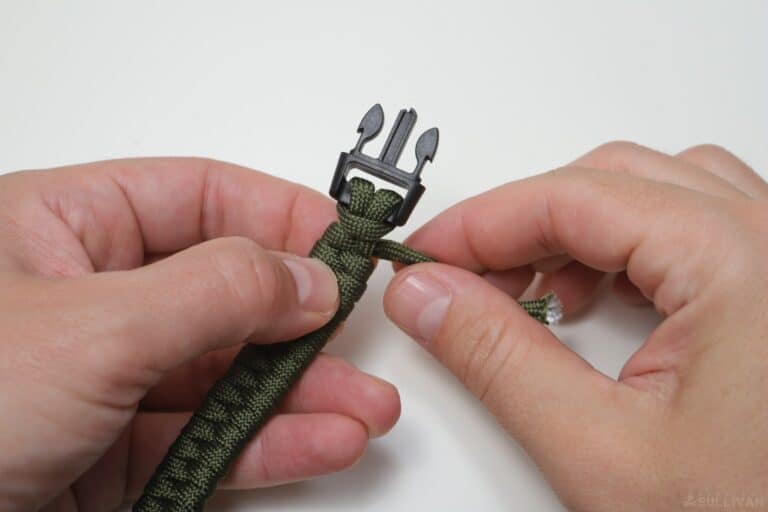
Weave a Paracord Bracelet or Fob
All preppers love paracord. Or I should say, all real preppers!
Ribbing aside, paracord has tons of advantages when used as general-purpose cordage, namely the fact that it is incredibly strong for its diameter and weight, amazingly durable, and affordable. It is also quite versatile!
One of the coolest things you can do with Paracord, and also one of the most practical, is to weave it into a decorative but functional bracelet or key fob.
This is a good way to keep paracord with you in an unobtrusive way in case you ever have an immediate need for strong cordage.
There are lots of different styles and designs out there, something to suit every preference, and many of them are quite easy to weave yourself with a walkthrough. Grab a little bit of Paracord and with just some time and attention, you’ll soon have a cool bracelet for your trouble.

Learn How to Tie a Shemagh
Shemaghs are ubiquitous and popular pieces of headwear originating from the Middle East, and they look sort of like huge bandanas with some frilly ends.
More than just a fashion or cultural statement, shemaghs are incredibly practical for protecting yourself from the elements and can be worn in a variety of ways.
But if you only know how to tie a bandana around your forehead, you are definitely missing out on some functionality here. Taking the time to learn a few ways to tie this ancient garment for different purposes can make all the difference in your comfort level when you need it.
It’s a lot like tying your shoes in a way; once you’ve done it a few times, you’ll have the muscle memory down and you’ll be able to don a shemagh quickly when you want to protect your head from the elements.
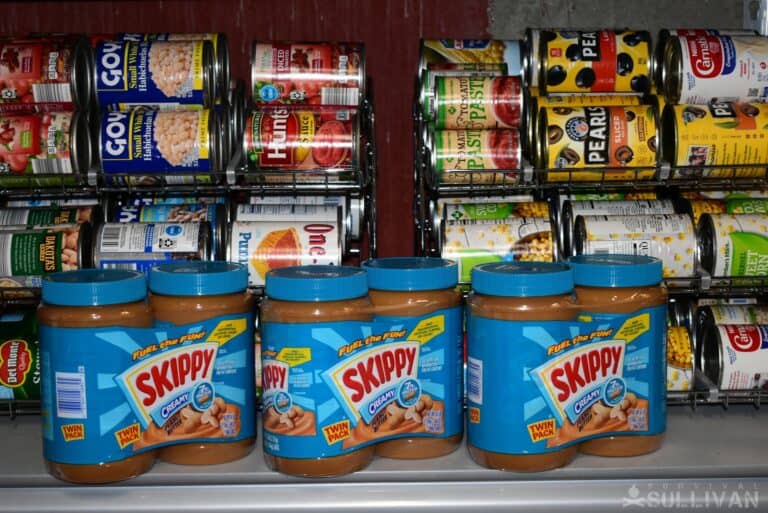
Rotate Your Food Supplies
Every prepper worth their salt is going to have a stash of food on hand for a rainy day. Or a succession of rainy days. Or, you know, the collapse of society.
Whether you’ve got a fully featured pantry, a crate load of MREs, or just the basics of beans, rice, flour, and the like, your food won’t last forever no matter how it is stored.
It requires rotation, meaning you remove and either eat or discard the older stuff and replace it with new stuff that you buy, keeping your supply fresh at all times.
Labeling and keeping track of the rotation dates of your food is an administrative task that will be either soothing or boring depending on your personality, but it’s something that must be done. You’ve got a free afternoon; it’s the perfect opportunity to rotate your stash!
Make a Simple Oil Lamp
One of the best ways to stay prepared for a loss of capability, whatever it is, is to go old school. Analog, you might call it. When the electricity is out and batteries are scarce or completely unavailable, you’ll need to do something different to light the room or light your way.
Making a simple oil lamp from a mason jar and a common wick or other piece of cloth is a lot easier than you might think and will allow you to use common varieties of oil as fuel.
This can be a really fun project to do with kids, too, as long as they have adult supervision at all times. But not for nothing, this is something you’ll want to practice yourself so you know what to do if you ever need one.
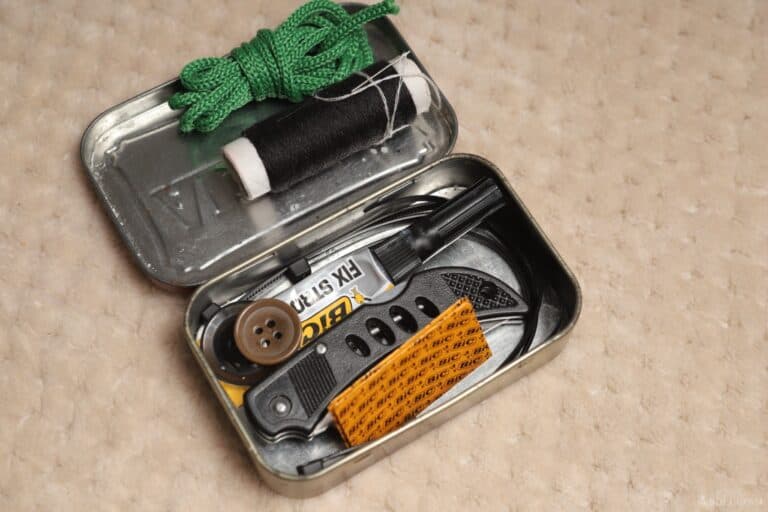
Put Together a Mini-Survival Kit
One of my favorite easy prepper projects is assembling a mini-survival kit. Using an Altoids tin, a small waterproof box, or any other convenient container, it’s a fun exercise trying to cram in as much capability as you can in a tiny form factor.
You can include stuff like fishing line, sinkers, and so forth along with first aid supplies, a miniature flashlight, a button compass, a razor blade, a fire-starting kit, and more.
There’s 101 ways to do this, and everyone puts their own spin on it based on their perceived needs and wants. I can promise this is one proper project you’ll really enjoy!
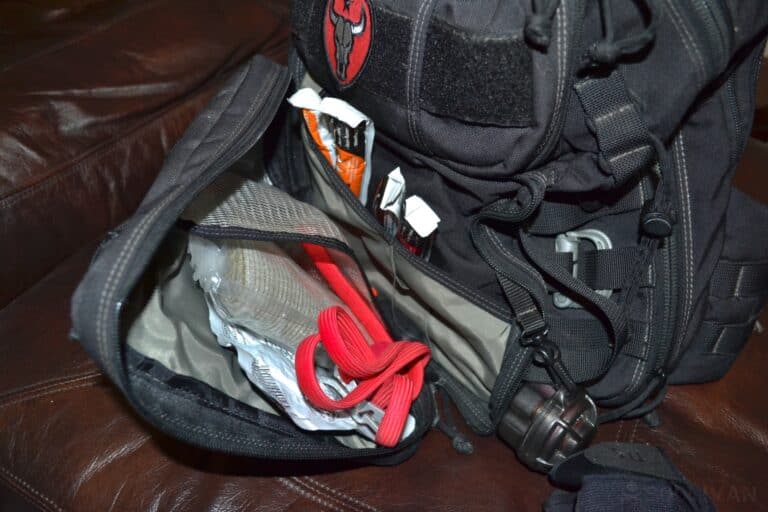
Pack Your GHB
You probably already have a bug-out bag, or BOB, packed. But do you have a GHB?
A GHB is a get-home bag, basically a specialized, compact survival pack that’s intended to go with you everywhere you go when you leave the house and contain items that you would need to make your way back home in good order if events overtook you while you were out and about.
Compared to a BOB, a GHB is much lighter, leaner, and designed for speed and simplicity. It will contain the bare minimum of gear to sustain you for an on-foot journey, including footwear, first aid, shelter supplies, and more.
If you don’t have a BOB packed yet, consider putting together a GHB as a good first step since many of the concepts are the same.
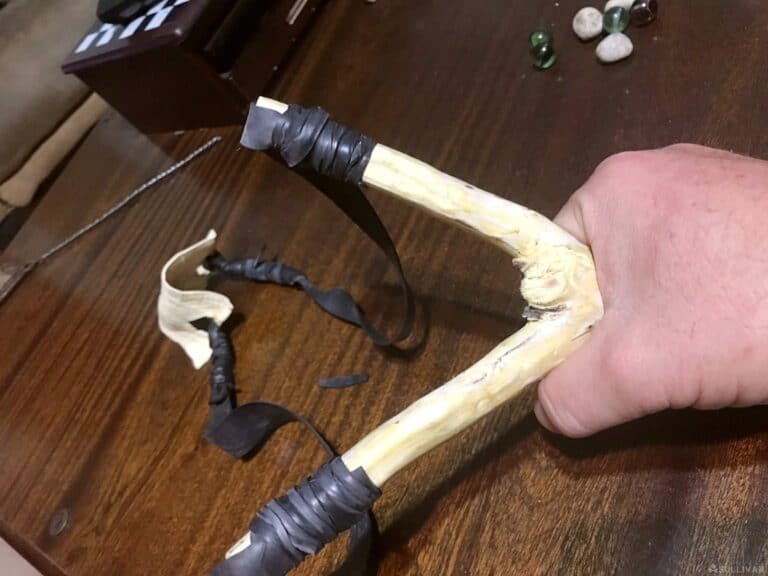
Make a Slingshot
Slingshots have a reputation as being nothing more than a toy for mischievous kids, but don’t fall into that way of thinking: a good slingshot, even one crafted from simple materials, can be a powerful weapon!
A weapon more than capable of bringing down small game to help you put dinner on the table or, in a real pinch, maybe even defending yourself.
You can make a slingshot using nothing more than a sturdy forked branch and some elastic tubing or other material, and a sturdy piece of cloth, leather, or something else for the pouch.
This is another fun but practical project, and once you’ve made it, the only thing left to do is practice, practice, practice!
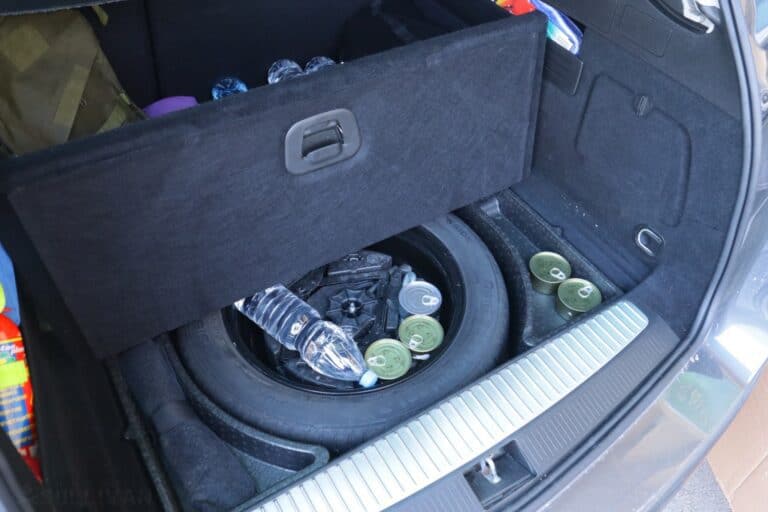
Assemble Your Vehicle Bug-Out Kit
You might have a bug-out bag packed for yourself, but what about for your car? It’s a great idea to outfit your vehicle with the supplies, tools, and materials needed to handle breakdowns and other automotive emergencies when time is already short and lives are on the line.
Your regular bug-out kit should include a spare tire, portable pump, flat repair kit, spare parts, basic tools, a road atlas, and some extra emergency supplies like ration bars, blankets, flares, and a fire extinguisher.
As you might imagine, this stuff can come in really handy if you ever get stranded, get stuck, or get into an accident. If you don’t have your vehicle properly outfitted with all the above, it’s time to get it done pronto!

Start Seeds for a Spring Planting
Self-sufficiency is more than just having all the gear, equipment, and consumables you need to survive for an extended duration. Real self-sufficiency is about providing and furnishing those things yourself!
When it comes to one of the most pressing survival necessities, food, the way to begin is with your own garden.
If you haven’t started a proper garden yet, or don’t know the first thing about it, you can make a great case for starting your own seeds indoors over the winter to get them ready for a spring planting in the ground or in containers.
This is a great way to learn the basics of starting and caring for plants, and also get a jump on a prosperous start to the season next year.
Make Your Own Faraday Cage
One of the most worrisome and, potentially, most devastating mega-disasters that could befall society is also one of the most likely to occur: a major EMP.
An EMP, or electromagnetic pulse, could be man-made or completely natural in origin, but the outcome is the same; the total disabling or destruction of the electrical grid and most vulnerable electronics.
The only way to protect most sensitive devices is to shield them with a Faraday cage, a container that will block and redirect the harmful emissions of the event.
Sounds like high science, but it’s actually really easy to make your own effective version using common and inexpensive materials. Now is definitely the time if you are behind on your EMP preps!
Make Firestarters
One of the most fundamental tools and resources you’ll need to call upon in a survival scenario is fire, but getting a fire going can be a whole lot harder than you think, especially if you’re working with substandard materials or bad conditions.
Give yourself a leg up by making your own portable and easy-to-use fire starters at home. There are lots of ways to do this, everything from dryer lint and cut-up strips of the inner tube to wax and sawdust that will burn steadily and hot to help you get that campfire roaring.
Sharpen Your Knives, Axes, and Hatchets
If you’re anything like me, you’ve got a wide variety of edged tools that you use more or less often. Even if you use them infrequently, by now you’ve probably already used them enough to take the edge off.
Time to bust out those sharpening stones and get to work! Sharp tools save you energy, and time and also help you work more safely.
If you’ve never sharpened a knife or other tool before, it might seem intimidating, but it’s actually pretty easy with a little practice or the right setup.
Don’t be afraid of damaging your stuff: as long as you use a modicum of care, you aren’t going to cause any irreversible damage.
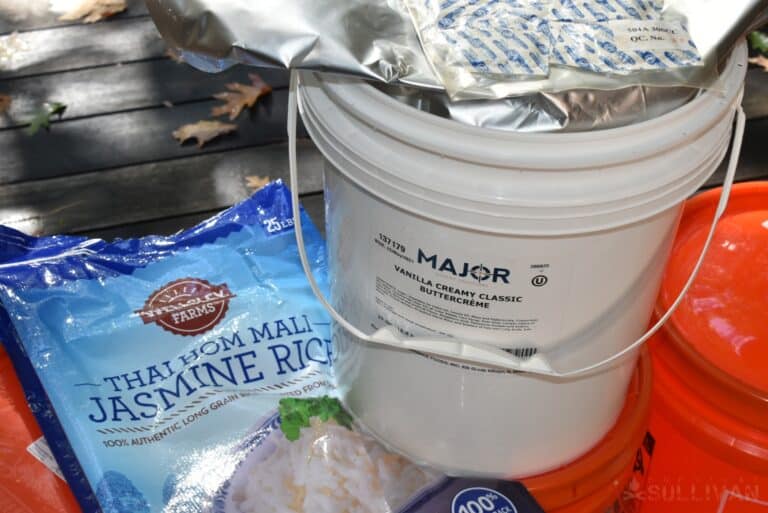
Make a Hidden Bucket Stash
Sometimes it pays to have your valuables well and truly hidden, or else keep a stash of gear ready to go and quickly accessible, but in an unobtrusive way.
My favorite method for doing this, bar none, is to use a hidden bucket stash. Basically, you’ll grab an old paint bucket or a common hardware store 5-gallon bucket and clean up the interior while trashing the outside so that it looks weathered, terrible, and useless.
Keep this bucket among others or set it somewhere in your garage, workshop, or similar setting and no one will be the wiser…
Drive Your Bug-Out Route
If you plan on bugging out, you probably already have one or more bug-out routes in mind, whether they are on major roads or not.
Here’s a question for you: when’s the last time you actually drove them? If it’s been a while, this is a project that you need to do. Take note of any changes in the route, potential choke points, obstacles, and anything else that’s worth putting on your route map.
This advance work is priceless when you’re actually in a situation where you need to evacuate, and you’ll sleep easier knowing that your routes are properly scouted.
Put Together Your Bug-Out Binder
A bug-out binder is a collection of critical documents that verify your identity and the identity of your family members, and your legal possession of various kinds of property, accounts, and more, along with emergency contact info and anything else that you or someone else might need in a sticky situation.
If you’ve done any legitimate end-of-life or family estate planning before, this will all be old hat. But if you haven’t, it can be quite a lot of information to gather and then collate in a straightforward way.
You can keep your bug-out binder in a weatherized paper format or electronically as password-protected files on a flash drive. The important thing is that you have it as part of your kit when it’s time to bug out.
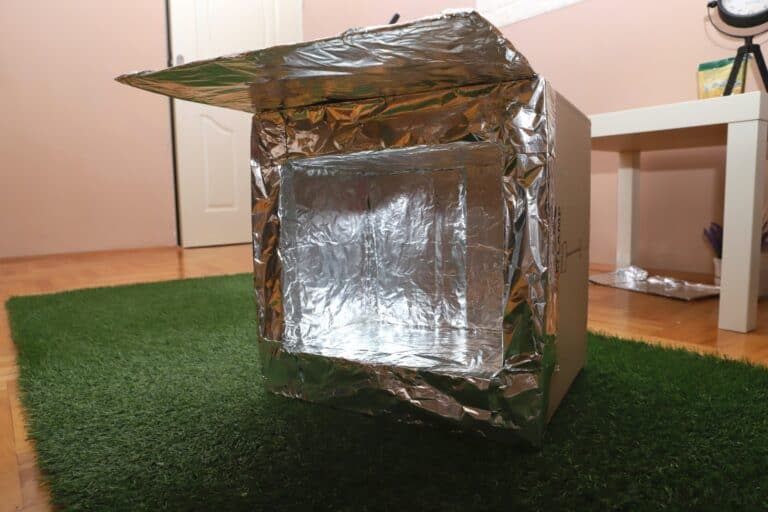
Assemble a DIY Solar Oven
You might have no electricity, be out of gas, out of charcoal, and out of everything else you need to cook a hot meal, but if the sun is still shining and you’ve got a solar oven, you can look forward to some piping hot food!
A solar oven is exactly what it sounds like: a box with a transparent lid and series reflective surfaces that cook any food placed inside as long as the sun’s out.
These are a lot easier to make than you might think, and if you are already crafty, you can easily complete this project in an afternoon, assuming the materials are on hand.
Learn About Your Local Wild Edibles
I know plenty of preppers that talk a good game about living off the land when the time comes, but they couldn’t tell you the difference between wild carrot and poison hemlock.
It’s time to get real. If you haven’t done the homework and gone out to actually identify what plants are edible and what plants are anything but, you might be setting yourself up for a bad case of poisoning.
Get a guidebook or a trusted friend who’s an expert, and head out to find examples of your local and regional wild edibles when you’ve got the afternoon off.
Go Over Your Family Emergency Plan
I trust you have a family emergency plan already, and if you don’t, it’s time to make one. If you do have a plan, ask yourself when the last time was that you went over it with each member of your family?
Where are your rally points? Who are your emergency contacts? What should each family member do under what conditions if they can’t get in contact with another family member?
These rehearsals or war games, if you prefer, might be boring and some family members might scoff at them, but they are critically important for safety’s sake!
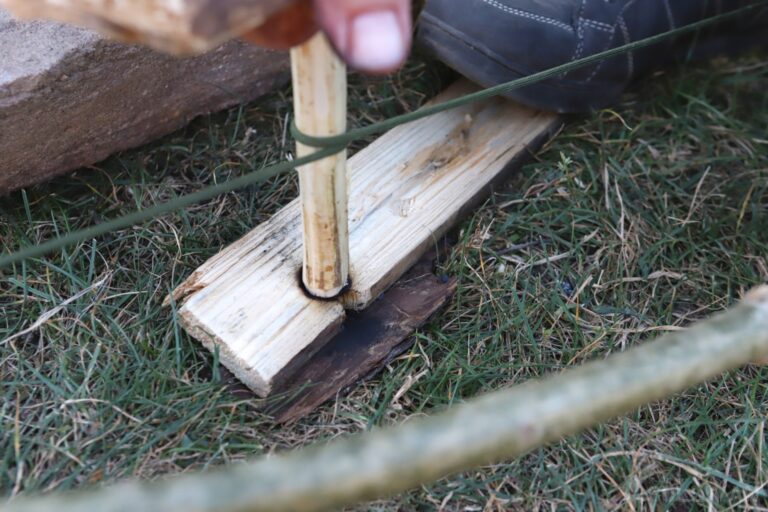
Practice Primitive Firestarting Methods
If I’m being honest, this is another skillset that lots of preppers just assume they already have via osmosis.
I’ve seen time and time again complete novices try to get a fire going without the benefit of lighters, matches, or even a flint and steel and finally give up exhausted and collapsed in a heap.
This is truly difficult stuff, and these techniques also require exacting care. That means if you’re going to rely on them when the chips are down, they had better be practiced until you can’t get them wrong.
Head out into the backyard, gather your materials, and practice the bow drill. Be ready for a good workout!
Install Anti-Kick Devices on Your Doors
It’s possible to dramatically improve your home security situation in an afternoon by installing anti-kick devices on each of your exterior doors.
These kits, available from various manufacturers but popularized by Door Devil, basically transfer all the force of an impact to the door from the tiny screws holding the latches and locks to the frame of the door itself, and do so evenly on all sides.
This makes it virtually impossible to kick a door open, even with repeated full-power strikes, and provides plenty of resistance against legitimate battering rams.
It’s one of the smartest things you can do to protect yourself and your family from a sudden home invasion and will take just a couple of hours with basic tools.

Tom Marlowe practically grew up with a gun in his hand, and has held all kinds of jobs in the gun industry: range safety, sales, instruction and consulting, Tom has the experience to help civilian shooters figure out what will work best for them.
this is a comprehensive guide to have, but what is the use of knowledge IF YOU DON’T KNOW HOW TO EXECUTE IT.
A guide on how to do them as well would have been great.