
In much of the prepping world, bugging out in response to a crisis is given a disproportionate amount of time and effort. In reality, bugging in, or staying put at home or another secure location, is a better bet 90% of the time.
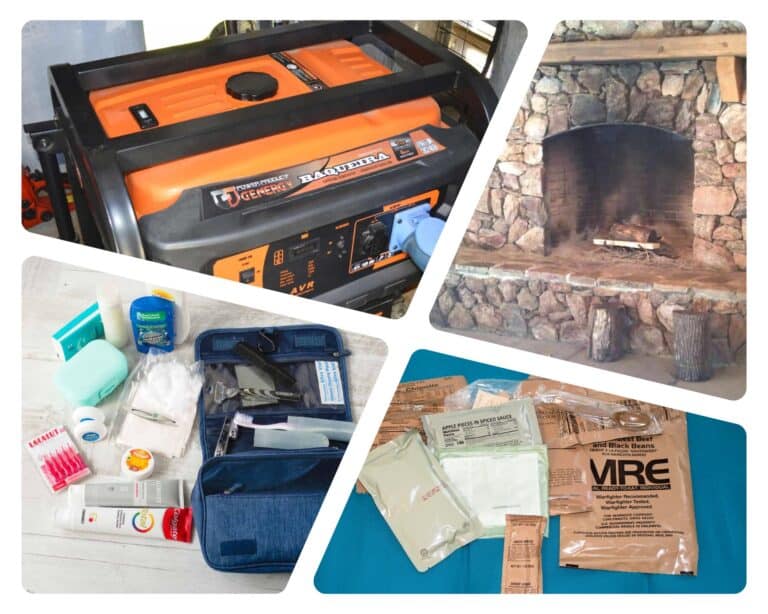
Aside from having a home-field advantage and, hopefully, a closet or storeroom stocked full of supplies and gear, bugging in can eliminate tons of variables from your survival calculus. It’s also a heck of a lot easier than bugging out most of the time. All in all, it’s a good plan, but it’s still possible to screw up.
There are lots of mistakes you can make when bugging in, and I’m here to make sure you don’t fall victim to any of them. Keep reading and I’ll tell you about 30 of the worst ones to avoid.
❌ Not Designating a Safe Room
This is probably one of the first things you want to do when prepping to bug in. No matter how well your home is protected, whatever danger is lurking outside could eventually find its way inside. Should that happen, you need a place that will keep you safe until either the danger passes, or until someone comes to your aid.
If you don’t have the space for one, improvise by turning a closet or a pantry into one.
❌ Neglecting Fire Safety
One of the most important aspects of bugging in, and life generally, is fire safety. Residential fires cause billions in damage and cost many thousands of lives yearly. Mind you, that’s during normal times. Imagine how much worse those stats will be if we are living through a long-term survival situation.
Accordingly, you’ve got to be prepared with high-quality, well-maintained ABC fire extinguishers throughout your home, along with a family fire plan that you rehearse periodically.
Things can always get worse, and as bad as the necessity of bugging in might be, having to get out of your burning home alive in the midst of all that is still a possibility. With the right gear and a little luck, you might be able to save your home before it burns up.
❌ Not Knowing Your Local Area
To this day, I’m astounded by how many people don’t really know the places they live. They go from their home to work and other regular spots like school or favorite restaurants and back again. That’s it.
Do you know where the industrial areas are, what they do, and what kind of chemicals they store on site? Where are the bad neighborhoods or the rough parts of town? Where are all the pharmacies, the police and fire departments? Knowing all of this isn’t just for local cred; it will inform your tactical planning prior to enduring hunkering down.
❌ Failing to Account for Pets
If you have pets, you might think about them so much that they are on your mind all the time, but nonetheless, people do forget to account for their furry, feathered, or scaly friends as part of their bug-in planning.
Your pets need their own food, water, and sometimes specialized shelter in the form of heat lamps, hot rocks, and the like. You should also include prescribed or periodic medications, supplements, and so forth.
If you have an exotic pet, this might be burdensome, and you’ll need to make special preparations accordingly. If in doubt, talk to a vet or an owner group to get more information about contingency planning.
❌ Failing to Account for Indoor Shelter Needs
Compared to bugging out, if you’re bugging in, you should be able to scratch shelter concerns off of the list of worries, right? After all, you’ll be inside your home, be it a house or apartment.
While true, it’s not something you can take for granted. A loss of power, damage, or prolonged bad weather might make your home no longer suitable for comfortable or even survivable habitation. You’d be wise to have tents, sleeping bags, plenty of blankets, and other gear you can use to create micro-shelters inside the warmest rooms.
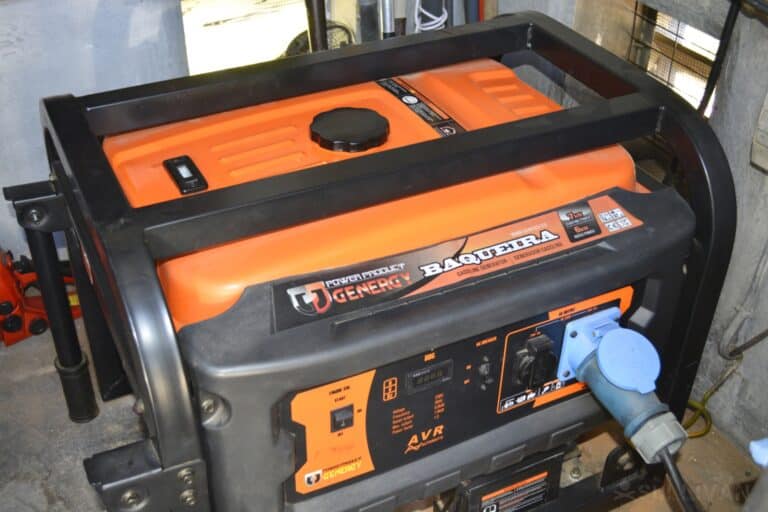
❌ Not Having a Generator or Battery System
There is still an entire category of preppers out there that completely eschews the use of all electronics and electrical appliances for survival use because they depend on electricity. That’s one way to do it, but I think it’s short-sighted.
Phones, flashlights, light fixtures, small appliances, GPS systems, and a whole lot more are invaluable pieces of kit that you shouldn’t throw out just because the power grid might go down. You should have your own personal power grid in the form of a generator or whole-house backup battery system.
❌ Using Your Grill or Generator Inside
Speaking of generators, you must never, ever use one or any kind of grill inside your home. Both produce loads of byproduct combustion gases, and these gases contain loads of carbon monoxide, or CO.
Carbon monoxide is odorless, colorless, deadly, and undetectable without a specialized detector unit. It can easily sicken or kill you, particularly if you are asleep at night. You can’t risk it, so keep your generators and your grills outside and make plans for using them accordingly when bugging in.
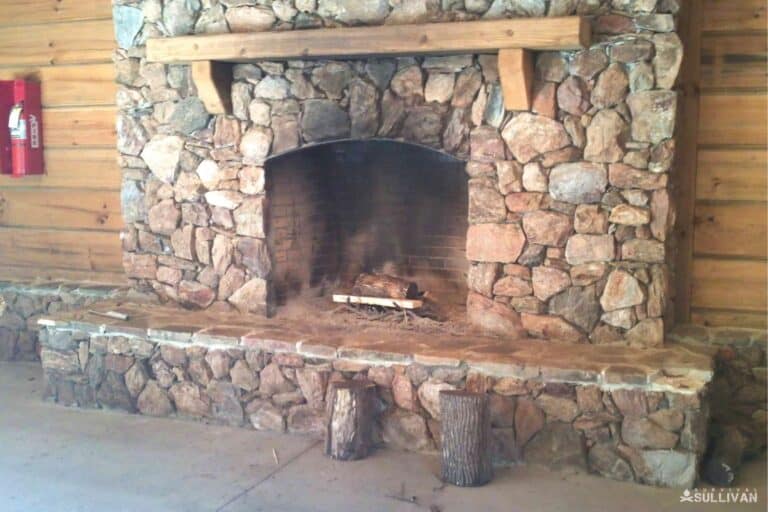
❌ Building a Fire in an Unmaintained Chimney or Flue
Nothing is more comforting in a long-term survival scenario than having a nice fireplace or wood stove in your home. Wood and other burnable fuel can be found almost anywhere, after all. However, you can’t risk using either unless you have stayed on top of maintenance.
Unmaintained chimneys and flues are leading causes of residential fires and the accumulation of the aforementioned carbon monoxide inside a dwelling. Make these assets a reliable part of your plan by having them serviced before things get bad.
❌ Not Getting Acquainted With Your Neighbors
It’s a sign of the times, but a lot of folks, particularly those living in suburbia and in the city proper, are likely to not know their neighbors well, if at all.
Being on a first-name basis doesn’t count. Do you really know who’s living next to you? Have you helped them and have they helped you before? Is there a bond you’ll be able to depend on when the chips are down?
Just as important, are you living next to or near scumbags who might prey on you at the first opportunity? Make it a point to really get to know your neighbors now while you can, and this will pay dividends later.
❌ Neglecting Repair Tools and Materials
It’s surprising how many people go all in on bugging in but neglect keeping a stash of tools and materials on hand that can keep their home in top, or at least livable, shape for the near-term future.
Do you have the supplies and tools you need to repair a hole knocked in your roof, a broken window, or a smashed wall? Do you have a bunch of sandbags you can fill up to redirect flood water? Do you have nails, screws, boards, plywood, shingles, and the like? You should.
❌ Not Learning First-Aid and Trauma Care Skills
I harped on this so much in the past that I might as well have put it at the top of this list. First-aid and trauma care skills are critical for all preppers, and especially important when bugging in. That’s because you’re far more likely to have a well-equipped medicine chest with everything you’ll need to take care of illness and injury.
But that stuff does no good if you don’t know what you are doing. Remember: it is highly likely that first responders won’t be coming in time, if they come at all, and hospitals, if still open, will be completely overwhelmed with the injured and dying.
❌ Failing to Stockpile Prescription Meds, Eyewear, Etc.
If you or anyone in your family depends upon a prescription medication or prescription eyewear, you’ve got to have one or both on hand as part of your emergency supplies.
It seems obvious, but it’s easily forgotten. In the case of prescription medications, you might need to talk to your doctor about obtaining an extended supply. Some doctors will be more amenable to this than others, and the type of medication makes a big difference too.
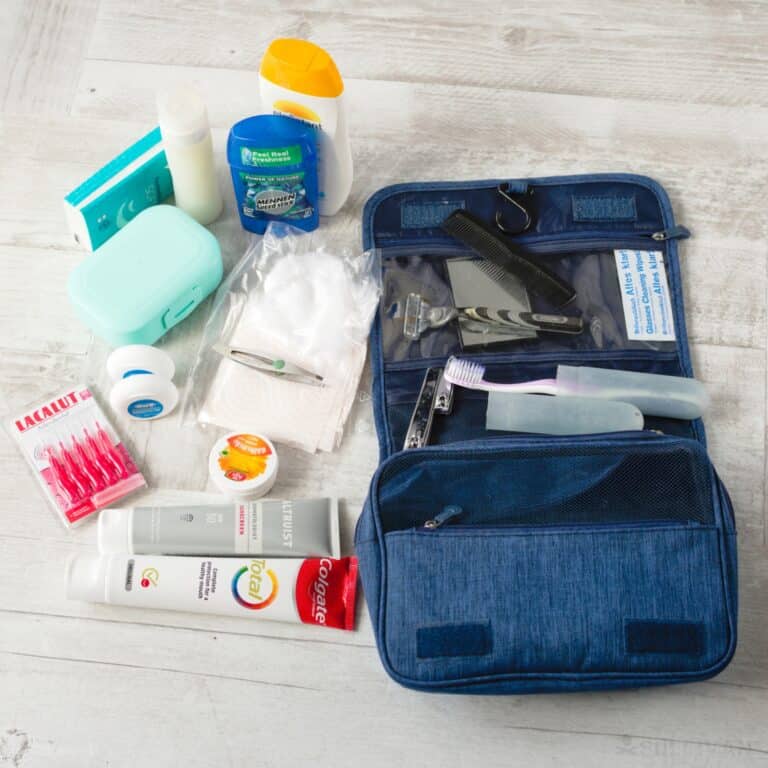
❌ Failing to Stockpile Hygiene Items
When the defecation hits the oscillation, if you plan on simply giving up on the usual routine of personal hygiene because it’s non-essential, you’ve got bigger problems than I thought.
Make sure you’ve got a big supply of soap, toothbrushes, toothpaste, deodorant, and anything else that might be required to take good care of yourself. It won’t just keep yourself and the people around you happy, but it will also cut down on the outbreak of diseases.
❌ Omitting a Bug-Out Bag Just Because You Are Bugging In
Folks who don’t want to bug out sometimes go too far in the opposite direction when bugging in: they assume that they will never, ever have to bug out if they prepare well enough.
This can be a grave mistake. That’s why you want to make sure you’ve got a bug-out bag on hand and packed as part of your bug-in preparations. If your home is going to be swept away, burned down, or quickly overrun, you must be able to grab the most vital supplies and get out when minutes count.
❌ Failing to Make a Family Evac and Rendezvous Plan
You aren’t retreating to a vault like in Fallout: you and your family might be moving around on various errands or taking care of important survival and sustainment tasks. When things go wrong and people get separated in a grid-down or long-term survival situation, you won’t necessarily be able to call and connect with them.
This is why it is so important that you make a family evacuation and rendezvous plan: where will you go under what conditions, how long will you wait for your family members there, and where will you go after that? Play this out several degrees and it will help curb anxiety in a worst-case scenario.
❌ Not Storing Enough Food and Supplies for “Visitors”
If you’ve got just enough food and other supplies, you don’t have enough. Simple as that. Having a surplus is always a good idea, and not in the least because it allows you a hedge to help others with if you choose.
What will you do if a dear friend shows up with nowhere to go? What if your neighbors are left high and dry? What if it’s a stranger needing a good Samaritan? You see where I’m going with this.
❌ Stashing Supplies in a Vulnerable Location
Where you keep your bug-in supplies is just as important as having them in the first place. Think carefully about where you will locate your stash.
Exterior rooms and closet spaces might be the first to go in case of a tornado. Basements are incredibly vulnerable to flooding.
There is no one right answer here because every home and every plan is different. Nonetheless, physical asset protection is something you should think through as part of your preparations.
❌ Not Having Pest Control Supplies and Measures in Place
Pests, be they insects or mammals like mice and rats, can completely destroy countless hours and thousands of dollars worth of preparation in no time at all.
You might be struggling with pervasive pest problems right now or you might not, but I can guarantee you they will be 10 times worse in the aftermath of a major event.
You should implement pest control measures right now and have countermeasures like traps and repellent on hand as part of your equipment so you can deploy them when needed. This is especially important if your home gets damaged, allowing pests easy ingress.
❌ Storing Only Bland, Boring Food and Ingredients
Too many preppers conflate survival with austere, almost ascetic preparations: plain white rice and water with the occasional can of tuna. Yeah, you can survive on all that, but it’s going to be miserable and it doesn’t cover all of your nutritional requirements.
A few choice spices and sauces can greatly expand your menu options, which will help keep morale high. A little variety when it comes to carbs, protein, and fats will also go a long way to keeping you healthy and relatively happy.
❌ Storing Only Foods That Require Preparation
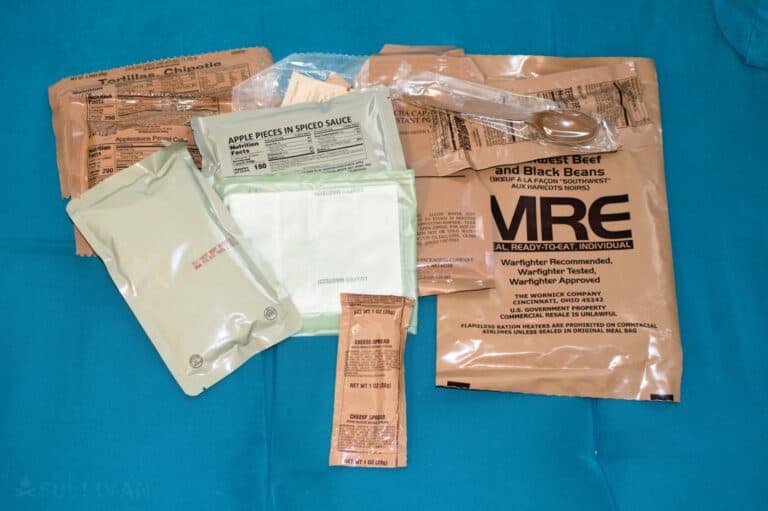
Bulk grains, dry beans, pasta, and the like are all awesome staples in a survival pantry, but all of them have a drawback: they require loads of water and loads of heat, meaning energy, to prepare. You might be in a situation where you have all of that to spare, or you might not.
In any case, keeping at least some of your food in the form of ready-to-eat stuff like canned veggies, pouched MRE-style meals, and so forth can reduce your logistical burden and help quiet rumbling stomachs with a minimum of fuss.
❌ Keeping Your Water Supply in Cheap Disposable Bottles
I learned this one the hard way. You might not believe it, but most bottled water, in those little crinkly plastic bottles or the larger milk-style jugs, won’t store very long before it springs a leak. It’s true!
I don’t know if it’s because the plastic is so thin or designed to be biodegradable, or if it’s some kind of pressure differential caused by the slow evaporation of the water. I do know that your water bottles can pop open and leak for no reason.
At best, you’ll be out a lot of water. At worst, you could be facing ruined food and other damage. Be smart and transfer your potable water to clean, heavy-duty sealed containers designed for the purpose.
❌ Failing to Acquire or Install a Renewable Water Source
Having a lot of water for bugging in is smart, but you also need a way to collect it. A rain collection system is mandatory, even if it’s something simple like a bunch of buckets or thick plastic sheets that you can lay down in a pool arrangement. Collected water can then be transferred to storage containers.
❌ Lacking Trade Goods
No matter how bad things get in the aftermath, you won’t be living on a deserted moonscape. There will be other people out there, and many of them will need things. Some of them will have things that you need in turn.
Keeping a dedicated stash of trade goods like cigarettes, liquor or beer, candy, and so forth can go a long way to getting you what you want.

❌ Failing to Check and Rotate Perishables on a Schedule
The success of your bug-in strategy hinges on having a large supply of goods that you can count on: food, water, medicine, batteries, etc.
If you assembled this stash years ago and have forgotten about it since, you have no idea how much is ruined and how much isn’t. You should inspect and rotate all of your perishable supplies religiously.
❌ Neglecting Long-Term Sanitation Concerns
One of the worst mistakes you might ever make is assuming your toilet will continue to work normally. It might, but it probably won’t, or at least not for very long.
A camping toilet, compost toilet, or the skills to dig an outdoor slit trench will help keep everybody comfortable, your house sanitary, and again keep disease at bay. Neglect this preparation at your own peril.
❌ Not Having a Garbage Plan
This dovetails with the previous mistake. Even in a bug-in situation where your whole life has been upended, you are still going to generate a lot of garbage. What will you do with it? Sure, you can stash it for a while, but it will eventually turn into a huge inconvenience at best or, more likely, a vector for pestilence.
You can burn, bury, or dump somewhere else depending on your location and what works best for you, but you must know ahead of time what you’re going to do.
❌ Failing to Fortify Your Home
It’s a sad fact of life that bad people and, sometimes, desperate ones will try to take what you have, especially when the police are overwhelmed or just out of action. Fortifying your home should begin right now, today, if you haven’t done so already.
Upgraded door and window hardware, strategic security lighting, and a few choice defensive implements are all part of it.
❌ Not Setting a Night Watch
No matter where you live, no matter the situation, someone in your family or group should be awake and alert for trouble at night. The threat could be intruders, as alluded to previously, or it could be a fire or something else that catches everyone unawares… Keeping someone on watch at all times can prevent a bad outcome like this.
❌ Not Having Ham or GMRS Radios
Cell phones are a lot more reliable, and cell phone networks more durable and distributed, than you might be thinking. They are a good option for communications even during times of trouble, but in the worst situations they are still likely to go down.
Having a ham or GMRS radio set, and the ability to power it, can keep you in touch with your own people and potentially with rescuers or other authorities.
❌ Deferring Maintenance on Your Home
Neglecting your home now could doom your family later. Leaky roofs, cracked foundations, drafty doors and windows, and more should all be addressed right now while you can. Later on, they can be show-stopping problems.
❌ Failing to Account for Mental Health Concerns
Last but certainly not least, make sure you plan to take care of mental health problems. Boredom, despair, fear, and anxiety can all corrode even the stoutest soul. Good leadership skills, spiritual materials, books, games, and a few choice comfort foods can help make all the difference. Sometimes you and your family will just be settling in, surviving, for a long while before things get back to normal.
Tom Marlowe practically grew up with a gun in his hand, and has held all kinds of jobs in the gun industry: range safety, sales, instruction and consulting, Tom has the experience to help civilian shooters figure out what will work best for them.